The theme today is gatekeeping, and the gatekeepers are winning on every front except the one that actually matters. From game discs to search indexes to OTC derivatives, the fight isn’t about who has the best product — it’s about who controls the door. My position: the industry keeps dressing up rent-seeking as innovation, and the AI training-data economy is now inheriting all of it, friction and all.
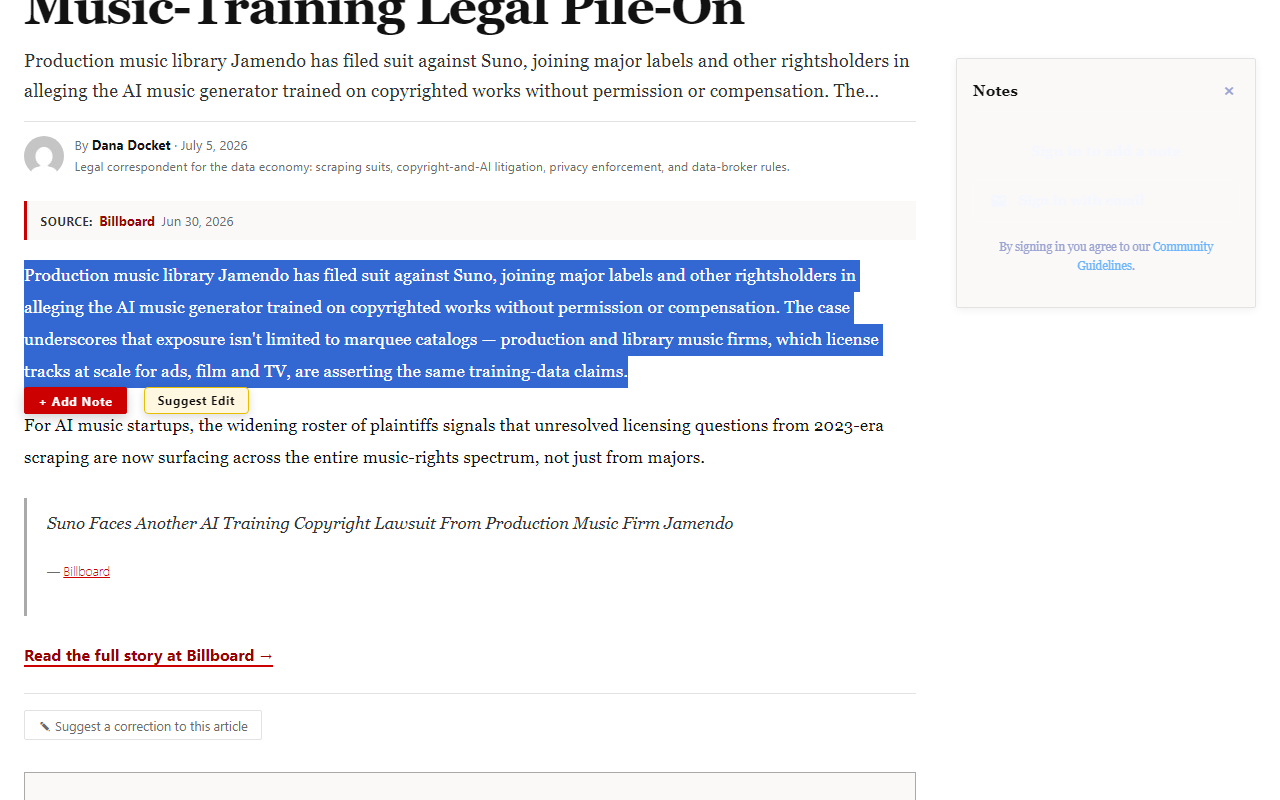
Start with ownership. EFF’s read on Sony’s disc exit is really a warning shot about DMCA 1201 and California’s AB 1921 — when the physical copy disappears, so does your right to resell, lend, or even keep what you paid for. That’s not a console story, it’s a data-rights story, and it rhymes uncomfortably with the new publishers-and-authors class action against Google, which piles onto an already crowded docket of copyright claims over how content gets ingested without a negotiated toll. Meanwhile a Kenyan court just denied copyright protection to an AI-assisted author, which tells you the legal system globally still hasn’t decided who owns anything touched by a model. Three jurisdictions, three flavors of the same unresolved question: who gets to charge the toll, and who gets stiffed.
Now overlay that on Brickroad’s Information Frontier benchmark, which found AI agents choke not on reasoning but on payment and identity gates. That’s the tell: the bottleneck in the AI economy isn’t intelligence, it’s access — literally the same toll-booth problem as the disc and publishing fights, just automated. Brickroad’s answer is to shrink the friction rather than litigate it away: its new Agent Outboxes and Catalogs for its IFA aim to cut the weeks buy-side teams currently burn chasing vendor samples down to something closer to an API call. It’s a sensible bet, but it’s also an admission that the sourcing marathon is now considered normal enough to need a product built around surviving it.
Overture Maps hitting 50 members is the counter-programming: an open, shared geospatial layer as a hedge against exactly the gatekeeping described above. Good. More of this, please — every AI training-data pipeline that doesn’t route through a paywall is one less lawsuit waiting to happen.
On the deals side, the land grab continues undeterred by any of the legal cloud. Yield Guild Games is dropping game publishing entirely to chase AI training-data supply — no financials disclosed, which is becoming the house style for this pivot. Same with Mercor’s acquisition of Deeptune, a startup its own founder had personally invested in — terms undisclosed again, and the self-dealing optics deserve more scrutiny than a one-line disclosure gets them.
Elsewhere, market-data plumbing keeps consolidating quietly: ESMA tapped Etrading Software to build the EU’s OTC derivatives consolidated tape, and Standard Chartered wired BlackRock’s Aladdin Wealth into its advisor platform. Neither is a training-data story, but both are reminders that the infrastructure incumbents — Aladdin, tape providers — are the toll booths that never go away, they just get new landlords.
Watch tomorrow: whether the Google class action produces any settlement signal that other publishers can price into their own licensing asks.
Stories covered
- EFF: Sony’s Disc Exit Signals Next Front in Digital Ownership Fight (Licensing & Legal)
- Brickroad adds Agent Outboxes and Catalogs to its IFA in a bet that it can shrink the alt-data sourcing marathon. (Alt Data)
- Brickroad’s ‘Information Frontier’ Thesis: AI Agents Fail at Paywalls, Not Models (AI Training Data)
- Publishers and Authors Hit Google With New Class Action Suit (Licensing & Legal)
- Overture Maps Foundation Hits 50 Members, Bets Open Data Grounds AI (AI Training Data)
- Kenyan Court Denies Copyright to Author Over AI-Assisted Work (Licensing & Legal)
- ESMA Picks Etrading Software to Build EU’s OTC Derivatives Tape (Data Markets)
- Standard Chartered Wires BlackRock’s Aladdin Into Its Wealth Platform (Data Markets)
- Mercor Acquires Deeptune After Founder Brendan Foody Backed It as Investor (Deals & Funding)
- Yield Guild Games Exits Publishing to Chase AI Training-Data Deals (AI Training Data)